畫像1 畫像2

遊民畫家泊仔送的畫像,在左圖中白鳥的右下方,就是他自己。

  我想我是一個認真的人,有時候到了嚴肅的地步。還記得剛入小學的第一課就是ㄅㄆㄇㄈ,老師說下週要考,可是一週過去了,我還沒全學會,急得不得了,回家就發燒了,媽媽還得幫我惡補。下星期老師竟然完全忘了考試這回事!而我至今餘悸猶存。
  最近一位好友退休,她在嚴肅這件事上比我更勝一籌,在我們為她舉行的餐會中一絲不苟地討論未來生活的意義,我勸她不必急,不妨先混一混。李豐(寫《我賺了四十年》的那位台大醫師)在電話上聽了我的轉述,大笑道:「你混得怎樣?」我說:「不錯啊!」她卻不以為然:「我聽妳聲音就知道妳還是那樣,說話太快了!」幾十年來她一直勸我慢下來。慢才能品味生活,才能靜攬人生,才能修鍊身心。
  不僅需要調整步調,我也想改變自己的寫作風格,輕鬆一點,閒適一點,更多一點生活,多一點感覺。渴望有自己的部落格,不被字數、時尚、市場、刊物風格、主編好惡綁住。大部分是為自己寫吧,也為了分享,至於未來,就交給上天了。 email: yenlinku@mail2000.com.tw
 

2021-02-09

Barrister Whittle's comments on the "sex and gender" discussion and Yenlin Ku's Response (Sex and Gender in Taiwan Part II)

2021/01/16

Dear All, 

As the fruit of several hours of research, here are my preliminary comments re the ‘sex’ and ‘gender’ discussion:

 First, it is notable that the UN Convention on the Elimination of All Forms of Discrimination against Women (CEDAW) does not use the term ‘gender’ at all.  In Article 1, it defines ‘discrimination’ as “any distinction, exclusion or restriction made on the basis of sex …” In Article 5, it calls for the elimination of prejudices and practices “which are based on the idea of the superiority or inferiority of either of the sexes …” All of its other provisions refer to ‘men’ and ‘women’, avoiding the use of ‘sex’, ‘sexes’ and ‘gender’.


General Recommendation No. 28 of CEDAW’s Committee on the Elimination of Discrimination against Woman repeatedly refers to the elimination of all forms of discrimination against women “on the basis of sex and gender” – thus stressing the distinction between ‘sex’ and ‘gender’ in this context. This distinction is highlighted by the call on states to take steps to achieve “sex non-discrimination and gender equality in practice” – i.e., no discrimination on the basis of biological sex, and equality in respect of gender identity. To clarify this distinction, the report states as follows:

Although the Convention only refers to sex-based discrimination, interpreting article 1 together with articles 2 (f) and 5 (a) indicates that the Convention covers gender-based discrimination against women. The term ‘sex’ here refers to biological differences between men and women. The term ‘gender’ refers to socially constructed identities, attributes and roles for women and men and society’s social and cultural meaning for these biological differences resulting in hierarchical relationships between women and men and in the distribution of power and rights favouring men and disadvantaging women.

 This subject was helpfully examined by the European Network of Legal Experts in Gender Equality and Non-discrimination, whose report titled Gender Equality Law in Europe was published by the European Commission in January 2019. On page 10 of this report, under the subheading of “Sex/gender/transgender”, it states:

EU law does not provide definitions of the concepts of ‘sex’, ‘gender’ and ‘transgender’, and does not distinguish clearly between sex and gender. Similarly, very few countries define the concepts of ‘sex’, ‘gender’ and/or ‘transgender’ in their legislation. Finland, Montenegro, Romania, Serbia, and Sweden are exceptions. In the Finnish Act on Equality Between Men and Women, a new subsection defines what is meant by gender identity and expression of gender. Article 10 of the Serbian Gender Equality Act defines both sex and gender: ‘sex’ relates to biological features of a person, while ‘gender’ means socially established roles, position and status of women and men in public and private lives from which, due to social, cultural and historic differences, discrimination ensues on the basis of biologically belonging to a sex. Romania recently (2015) introduced definitions of sex and gender, as well as ‘gender stereotypes’ in its Gender Equality Law, whereby gender is understood to mean the combination of roles, behaviours, features and activities that society considers to be appropriate for women and men. In Sweden, the Discrimination Act defines sex as the fact “that someone is a woman or a man.” Maltese law includes definitions of ‘gender expression’ and ‘gender identity’. 

In light of these authorities, I would suggest:

1.     Strictly speaking, 性別 should be translated as ‘sex’ rather than ‘gender’, even though both terms are commonly used interchangeably in English-speaking countries, with ‘gender’ having perhaps already become more commonly used than ‘sex’ for indicating whether one is male or female. [Note: According to Wikipedia, the use of ‘gender’ in place of ‘sex’ as a biological classification can be traced to the 1980s, officially adopted in 1993 when the US Food and Drug Administration started to use ‘gender’ instead of ‘sex’; however, in 2011, the FDA reversed its position and began using ‘sex’ as the biological classification and ‘gender’ as “a person’s self representation as male or female, or how that person is responded to by social institutions based on the individual’s gender presentation.”]

2.     To cover the situation of those whose biological sex is not definitively male or female, or who do not identify with their birth sex, or who are undergoing or have undergone transition, 性別認同 should be translated as ‘gender identity’, since the identification is more with the construct of gender than with the biological fact of sex. This also allows for identification as gender neutral.

3.     I’d say that 性別特質 might be translated as either ‘sex trait(s)’ or ‘gender trait(s)’ since it could refer to trait(s) of either biological sex or gender construct.

4.     性別歧視 might be translated as both ‘sex discrimination’ and ‘gender discrimination’ (or ‘sex-based discrimination’ and ‘gender-based discrimination’, as used in the above-cited General Recommendation No. 28).

5.     性傾向, 性侵害, 性騷擾 and 性霸凌  are appropriately translated, respectively, as ‘sexual orientation’, ‘sexual assault’, ‘sexual harassment’ and ‘sexual bullying’, since they refer to sexual behavior rather than maleness versus femaleness.

6.     任一性別人數(代表)不得少雨三分之一  should be translated as “Members of each sex shall occupy no less than one third of the seats of the committee/commission” or “Members of each sex shall constitute no less than one-third of the membership of the committee/commission.” (Note: In laws and regulations,  and 不得 should be translated respectively as ‘shall’ and ‘shall not’ rather than ‘should’ or ‘should not’, since they are prescriptive rather than suggestive.)

Peter


2021/01/17

Yenlin to the NAER

 I am grateful that you accepted my unruly request for review in your first meeting of 2021 in spite of the fact, as reminded by Jerome, that you usually only review terms, phrases and very specific requests. I have to give Peter my heartfelt gratitude for his research on the legal history of the usage of sex and gender in Europe. His precision in the choice of words is impressive.


For your reference, the 9 protected characteristics under the UK Equality Act 2010 are: age, disability, gender reassignment, marriage and civil partnership, pregnancy and maternity, race, religion or belief, and sex. And under the 2008 Swedish Discrimination Act (revised in 2014), they are: sex, transgender identity or expression, ethnicity, religion or other belief, disability, sexual orientation and age. In the foreseeable future of human society, I believe sex will remain an important characteristic.

Another related question will be can we translate sex as 生理性別 and gender as 社會性別 or 心理性別, especially when they appear in pairs such as "sex and gender"? After all, the distinct concept of gender was widely spread by the radical feminists in the US in the 1970s. It appears more often in English to Chinese translations than vise versa.

yenlin

Sex and Gender in Taiwan (Part II) 請教教育部國家教育研究院雙語詞彙審譯會

From: 顧燕翎

Sent: Sunday, January 10, 2021

To: National Academy for Educational Research

Subject: [外部來信] ”sex” and “gender”英譯問題,敬請貴院協助  (request for suggestions on the translation of sex and gender in Chinese)

Importance: High


丁先生鈞鑒:


   ”sex” and “gender”二詞中英文之間的對譯困擾台灣學術界和教育界多年。2018720日行政院主辦之消歧公約(聯合國的消除所有形式對婦女歧視公約)第三次國家報告中,國際審查委員會指出在台灣此二詞使用不當,建議行政院更正sex and gender的定義與使用,委員會在結論報告中指出:


“The IRC [International Review Committee] is concerned with the inappropriate conceptual and practical use of the terms ‘sex‘ and‘gender‘ in Taiwan. In the CEDAW jurisprudence the Convention refers to sex-based discrimination, but also covers gender-based discrimination against women. The term’sex’ refers to biological differences between men and women. The term ’gender’ refers to socially constructed identities, attributes and roles for women and men and society’s social and cultural meaning for these biological differences resulting in hierarchical relationships between women and men and in the distribution of power and rights favoring men and disadvantaging women.


     The IRC recommends “the Government to align all the legislative texts and policy documents and promote the correct and consistent understanding of the terms ‘sex’ and ‘gender’ in line with CEDAW Convention and the Committee’s General Recommendation No. 28.”


201026日行政院召開研商會,有人主張:"中文語境的「性」除了有生理性別的意思,還有性行為的意思。而英文則有sexgendersexuality這三個單字,在學術上的中文翻譯也有不同意見。"也有人指出:國外審查委員會有這樣的意見,問題主要來自於lost in translation(翻譯的迷失)。


    事後行政院發出中英對照,但其中沒有sex之中譯,而附註2之性別又特別標明為身份證上之生理性別。

中文

英文

性別

Gender

性傾向

Sexual orientation

性侵害

Sexual assault

性騷擾

Sexual harassment

性霸凌

Sexual bullying

性別認同

Gender identity

性別特質

Gender traits

性別歧視

Gender discrimination

任一性別[1]人數(代表)不得少於三分之一

Neither gender should occupy less than one-third of the seats of the committee/commission


[1] 包含性別比例、任一性別、單一性別比例、任一性別比例、任一性別人數等文字。

[2] 本項英文翻譯以委員會之委員為例,任一性別人數(代表)不得少於三分之一,原則為「性別」英譯成「gender」,其他依法遴聘(派)學者專家、民間團體及相關機關代表提供諮詢所辦理之相關諮詢會議亦同。此處性別之認定以身分證件之性別欄位為認定原則。


  誠如國外審查委員會所言,基本名詞之使用涉及政策之概念和執行,性別的定義影響教育政策以及和性別相關之法律與政策至鉅,因此行政院將於122日再度召開會議,專門討論sex and gender名詞之翻譯。本人已受邀且同意出席。為求慎重,在此特地尋求國家教育研究院之專業意見,敬請協助。並甚盼貴院翻譯專家能代表教育部出席會議,研討更精準之用詞。


相關資料請參考:

Discussions on sex and gender:

1.http://feminist-original.blogspot.com/2020/07/sex-and-gender-in-taiwan.html

2.http://feminist-original.blogspot.com/2020/07/discussions-on-definition-of-sex-and.html

3.http://feminist-original.blogspot.com/2020/07/on-sex-and-gender-at-national-level.html

 敬祝  鈞安

  顧燕翎 敬上

  國立交通大學退休教授、勞動部等性平委員、台北市政府研考會等性平委員


2020-12-21

賀錦麗為美國帶來的新盼望

 顧燕翎    


  美國新當選的副總統賀錦麗117日在勝選演說中提到從前世世代代的美國女性,她說:「我站在她們肩膀上,我會是第一個美國女副總統,但不會是最後一個。」她不只是首位女性,也是首位亞裔和非裔、首位黑人大學的畢業生,登上最高政治位階,一舉打破數重玻璃天花板,吸引全球目光。她的夫婿,律師任德龍(Douglas Emhoff),不僅在選戰期間向事務所請假陪她跑行程,選後更辭去本職,專心扮演第二先生(Second Gentleman)的角色。他在社交媒體上回應一位小男孩的問話,告訴他要學會支持堅強、有能力的優秀女性。他公開的性別角色轉換突破了白人、男性為中心的律師事務所傳統,也為社會開創了更為平等和多元的性別空間。

  此外,更饒具政治意義的是,賀錦麗一改往常在公開場合穿著深色褲裝的習慣,演說當天穿全白褲裝和打著蝴蝶結的絲質白襯衫登上講台,不言而喻地宣示婦女運動的歷史傳承。回想曾經被民主黨提名為副總統候選人的費拉洛(Geraldine Ferraro)和總統候選人的柯林頓(Hillary Clinton),在接受提名的演講台上,也都選擇穿著類似的白色褲裝。今年初川普總統到國會發表國情諮文時,民主黨的女議員全數以白衣現身,慶祝美國通過憲法十九條修正案一百週年,婦女得到與男性相同的投票權。在重大場合,民主黨的女性從政者毫不迴避展現女性的性別認同,延續婦運精神,也汲取其歷史能量。與稍早衝破玻璃天花板的幾位其他國家女首相—英國柴契爾、印度甘地和以色列梅爾夫人—選擇與婦運和性別議題保持距離的作法大相逕庭。

小鬥魚的傳奇 Legend of the little fighting fish

顧燕翎 


  爸媽結婚將近七十年,伉儷情深,媽對爸甚是依賴。爸過世後,我和弟弟商量是否養個寵物,陪伴老人家,增加一點生活情趣。老媽從來沒有養過寵物,而且年事已高,照顧小動物多少會増添她的心理和生活負擔。於是我們朝最簡易的方向思考,最後決定養魚最容易。弟弟的朋友養了數代小鬥魚,他曾經在朋友出遠門時代過班,知道不難照料,便依樣畫葫蘆,去買了一條食指長度的小鬥魚。小小身體閃著深藍色的光芒,拖著色彩繽紛的長尾巴,像是穿著一條美麗的長裙,游動起來搖曳生姿。

   弟弟為小魚添購了一個電動換氣的小魚缸,放在飯桌上,魚缸裡面依照我們的想像,布置了白色的貝殼丶色彩的石頭和綠色水草。小鬥魚生性好鬥,容不下第二條魚,只能獨居。老媽開始負起了餵食的責任,魚小食量也小,買回來的顆粒狀魚食比野生小米還小,早上四粒,晚上五粒,吃多了會過胖,行動不便。

2020-07-31

“Sex” and “Gender” in Taiwan (Part I) 2018-2020 不只是中翻英的問題  不只是中翻英的問題

            顧燕翎

2018720消歧公約(CEDAW)3次國家報告之國際審查會議中,有民間團體提案,要求政府在概念上和用法上採取該公約對於生理性別(sex)及「社會性別」(gender)之定義,勿以意義不明確之多元性別取代消歧公約中的「女」、「男」,得到國際審查委員會的認可。20197月我參與部會之性平會議,發現行政院要求各部會依照消歧公約中性」(sex)與「性別gender)的定義和用法,「統一所有法律和政策文件用詞,並促進對『性』與『性別』正確、一致之認知。」由於指示並不具體,在座之性平委員和性平處代表也不明事由,我感到十分困惑,乃上性平處網站詳閱中英文會議紀錄及資料,發現這可能是一重大議題。

  我乃於2019720日致信行政院羅政務委員秉成等,反映性平處網站有關消歧公約(CEDAW)3次國家報告審查會議之中文翻譯可能未掌握國際委員建議之重點,亦即目前在台灣對於"生理性別"和"社會性別"的概念和實際上的使用都有所偏誤(the inappropriate conceptual and practical use of the terms“sex”and gender”in Taiwan)(官方譯文漏掉在台灣)而需要「檢視法律及政策文件,予以修正」。國際委員們特別指出在台灣使用不當是很嚴肅而具體的表達,略去台灣便失去焦點,而使得委員會的結論和建議無法被理解和有效執行。

  10926羅政務委員秉成主持召開CEDAW3次國家報告結論性意見與建議第10點及第11點研商會議。(參閱會議紀錄)

  可惜本次會議為閉門會議,並未邀請最初提案之民間團體,以致無法完整呈現各種不同觀點,亦未慎重檢視審查委員的建議,也忽略了聯合國對於性別定義的多次正式討論和決議,最後將問題簡化為名詞英的誤差,而決議由性平處提供有關「性」與「性別」英文檢視原則,性平處的作法是提供了名詞中翻英之對照表,卻未同時提供英翻中之對照表,結果將國際委員所稱的"sex and gender"中的”sex”完全消除了,統一將所有法規和公文中之性別都翻譯為”gender”。惟”gender”除了可以是「社會性別」(或「心理性別」)之外,亦是一個更廣泛、抽象的類別(如宗教、年齡),不涉及個體,許多法規的英文原譯"the sexes”明指男女;改為"gender”以後所指不清。(例如:An employer shall under no condition discriminate between the sexes in the payment of wages. 被改為An employer shall under no condition discriminate between the gender in the payment of wages. 原文為 勞動基準法第 25條: 雇主對勞工不得因性別而有差別之待遇 。工作相同 、 效率相同者,給付同等之工資。)

  此外,這樣的翻譯恐導致後續政府文件處理及身分認定上之問題,該檢視原則註2說明,「性別之認定以身分證件之性別欄位為認定原則」,而目前出生證明和身分證上之性別仍為生理性別(sex),而非具流動性的社會或心理性別(gender),檢視原則本身呈現出自相矛盾的局面,極易在法規和政策執行過程中造成困擾。至於在台灣的許多政策討論和會議中經常出現、而且具權威性的「多元性別」則沒有中翻英,也沒有英翻中,更無定義和用法之說明。

  建議有關「生理性別」、「社會/心理性別」、「多元性別」的議題應該在社會上經過更廣泛、深入之討論,並取得相當共識後,再決定如何翻譯及如何制定相關政策,以符合民主、公開及平等參與的原則,也可能為更符合消歧公約(CEDAW)3次國家報告國際審查會議之決議


詳細資料請參閱以下兩篇貼文


2020-07-04

親愛的,我們在台灣把女人變不見了 The Magic of Disappearing Women in Taiwan (Sex and Gender in Taiwan Part I)

「生理性別」與「社會性別」的國家討論  Discussions on the Definition of  Sex and Gender at the National Level, 2018-2020 (Part 1)

The series of discussions on the definition and usage of  "sex" and "gender" in national policies in Taiwan initiated by NGOs at the Review and Presentation of the ROC (Taiwan) CEDAW 3rd National Report in July, 2018 was conducted in the following order.
1. The Association of HIV/AIDS and Child Care and 3 other NGOs urged the government to use "sex" and "gender" according to CEDAW's definition and should not leave out women.
2. The CEDAW International Review Committee (IRC) suggested the government to review and correct the use of "sex" and "gender" in "all the legislative texts and policy documents and promote correct understanding of these terms in line with CEDAW".
(The IRC specifies that "The term “sex” refers to "biological differences between men and women" .See 2. in the following.)
3. The Executive Yuan issued commands to all government agencies to review and correct the use of "sex" and "gender", but the wording was too vague for people to understand. (I witnessed the cofusion at official meetings.) 
4. I wrote to the Executive Yuan to point out that in the official Chinese translation of the IRC's Recommendations the critical word of "Taiwan" is missing  ("the inappropriate conceptual and practical use of the terms 'sex' and 'gender' in Taiwan") and that instructions given by the Executive Yuan were unclear. 
5. The Executive Yuan replied and  promised to make corrections.
6. The Department of Gender Equality under the Executive Yuan called for a closed-door "expert" meeting (to which none of the initial NGOs was invited), in which it was decided that there was no inappropriate conceptual and practical use of the terms 'sex' and 'gender' in Taiwan. The IRC's misunderstanding was caused by translation.

7. The Executive Yuan issued a guidline of Chinese to English translation regarding "gender" to all government agencies, demanding that "all the legislative texts " should be revised accordingly. No definition was given, but a list of gender-related English and Chinese terms were placed side by side. The English word "sex" disappeared.


消歧公約第三次報告國際審查委員會有關"生理性別"及"社會性別"之討論過程
 1. 民間團體發言,要求政府正確使用"生理性別"及"社會性別",不應以定義不明的"多元性別"取代消歧公約中的男女

聯合國和行政院性平會官網上的sex and gender

「生理性別」與「社會性別」的國家討論相關文件  On Sex and Gender at the National Level--references (Sex and Gender in Taiwan   Part I)

聯合國CEDAW官網對sex 及 gender均有清楚定義,簡言之,sex為生理性別,gender為社會性別。二者有時交替使用,或用sex or gender表示,泛指男女性別。

聯合國中文官網和行政院性平會官網對於sex 的翻譯未能前後一致,有時譯為「性別」,有時譯為「性」,而造成誤解。

在兩個官網中,性別平等=兩性平等=女男平等       sex譯為性別
(請看以下紅字部分)

聯合國官網

消除對婦女一切形式歧視公約(CEDAW)

導言(Introduction)

2020-04-13

女性主義理論與流變第二版問世 Feminisms 2nd edition

Editor's Note
顧燕翎  Yenlin Ku
  
  人類社會在二十世紀發生了許多重大變化,前後兩波婦女運動雖不若兩次世界大戰般驚天動地,卻緩慢而深遠地改變個人、家庭、社會、文化、政治。半世紀以來台灣受到全球婦運洗禮,也不斷調整腳步,在法律和制度上產生了諸多變革,例如民法親屬編的修訂、性別工作平等法、性別平等教育法、性侵害犯罪防治法的通過、公務人必須接受性別平等教育等等。感謝貓頭鷹出版社願意慎重看待這場逆勢向上的性別革命,在譯介了西蒙波娃的巨著第二性以後,再規劃出版女性主義理論、經典和婦女運動系列,讓身處於歷史浪潮中的讀者得以從理念和行動兩個角度,一窺社會變遷的來龍去脈,了解女性先覺者們如何分析問題、尋找答案,以及曾經的行動和掙扎。期望讀者們在知識的基礎上可以更清楚透視歷史和自己當下的處境,參與女性主義對話,共同想像和建構美好的未來。

  第二版的女性主義理論與流變封面顏色變得略呈金色在內容上沒有很大變動,僅就排版失誤、錯別字部分和少數誤失加以修正,英文部分的標點符號從全書一貫的中式全形改為英文通用的半形;為了讀者便於查閱,註解也從每一章的後面移到每一頁的下方。
  
  和貓頭鷹編輯張瑞芳合作了一年多,很感受到貓頭鷹出版社的專業水準和敬業態度,在出版業普遍低迷的今日,仍願意堅守崗位,努力提供心智養分,盼望讀者們能從中獲益,並且給與鼓勵支持。

2020-03-19

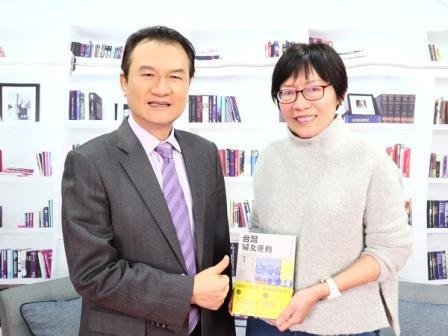
顧燕翎著台灣婦女運動──爭取性別平等的漫漫長路  新增及勘誤 The Women's Movement in Taiwan ---- Additions and Errata

觀察》雜誌- NO.78 │ 中國國民黨何去何從|關懷鄉土- 台灣婦運半世紀 ...


新增
自序  
顧燕翎

  我前後花了很長時間來寫台灣婦女運動,中間曾因各種原因停擺,包括接任婦女新知董事長、進入台北市政府工作。最後堅持下來,最重要的原因是不想放棄以女性的身分發聲,想從女人的角度寫歷史,尤其是眼見當今台灣「性別運動」即將(或已經)取代婦女運動之際。本書的副標題:爭取性別平等的漫漫長路,便意在取回「性別平等」的定義權,避免女性改造父權尚未竟功便遭擠壓出局,回到無聲無息的起點。

女人會贏嗎?——女性在美國大選中的挫敗 Can women win the US presidential election?

本文即將刋於四月份觀察雜誌 http://www.observer-taipei.com/

顧燕翎

          1848年美國婦運領袖們首次召開全國婦女大會,公開發表「傷心宣言」(the Declaration of Sentiments),控訴男性對女性的傷害與掠奪,要求相同的公民權利和責任。1966年「全國婦女組織」(National Organization for Women, NOW)成立,重申要與男性以平等夥伴關係行使所有權利和責任。可是1870年男黑人獲得了投票權,所有女人卻足足等了半世紀才能夠投票。又過了一個多世紀,1984年民主黨推出首位女性副總統候選人費拉若(Geraldine Ferraro),卻不幸敗北。次年該黨組織Emily’s List,募集款項,培養女性從政,持續推高國會議員當選率,至2018年女性國會議員雖達到前所未有的23.6%,卻仍落在全球百名以外。女性州長也僅有18%。而男女平等的修憲案,自1923年提出,至今未過。

2020-03-08

台灣的婦女運動被消失了嗎? Has the Feminist Movement in Taiwan Been Disappeared?

顧燕翎  Yenlin  Ku

   從全球婦運的眼光來看,臺灣婦運起步晚,制度化的成果卻名列前茅,不論是法律的修改制定、性平機制的設立、保障名額/性別代表制的建立、性別主流化的推動、女性公廁、哺集乳室等的增加都居於領先。行政院主計處在《2020年性別圖像》中表示,我國的性別不平等指數居全球第九,優於其他亞洲國家,大專院校女生已超過半數(50.65%)。此外,我們不僅有女總統,國會女性議員也高達41.59%,超越大部份國家。不過性別落差指數居全球第三十二,落後於第八的菲律賓。弔詭的是,台灣女性一方面享受婦運的輝煌成果,一方面卻仍受壓抑,不斷有人提醒,婦女地位已經太高了,或者更進步的性別運動已取代婦女運動了。回首半世紀,婦運固然創造了重大改變,卻也始終被迫面對被消失的逆流,這是台灣婦運極為獨特的處境。